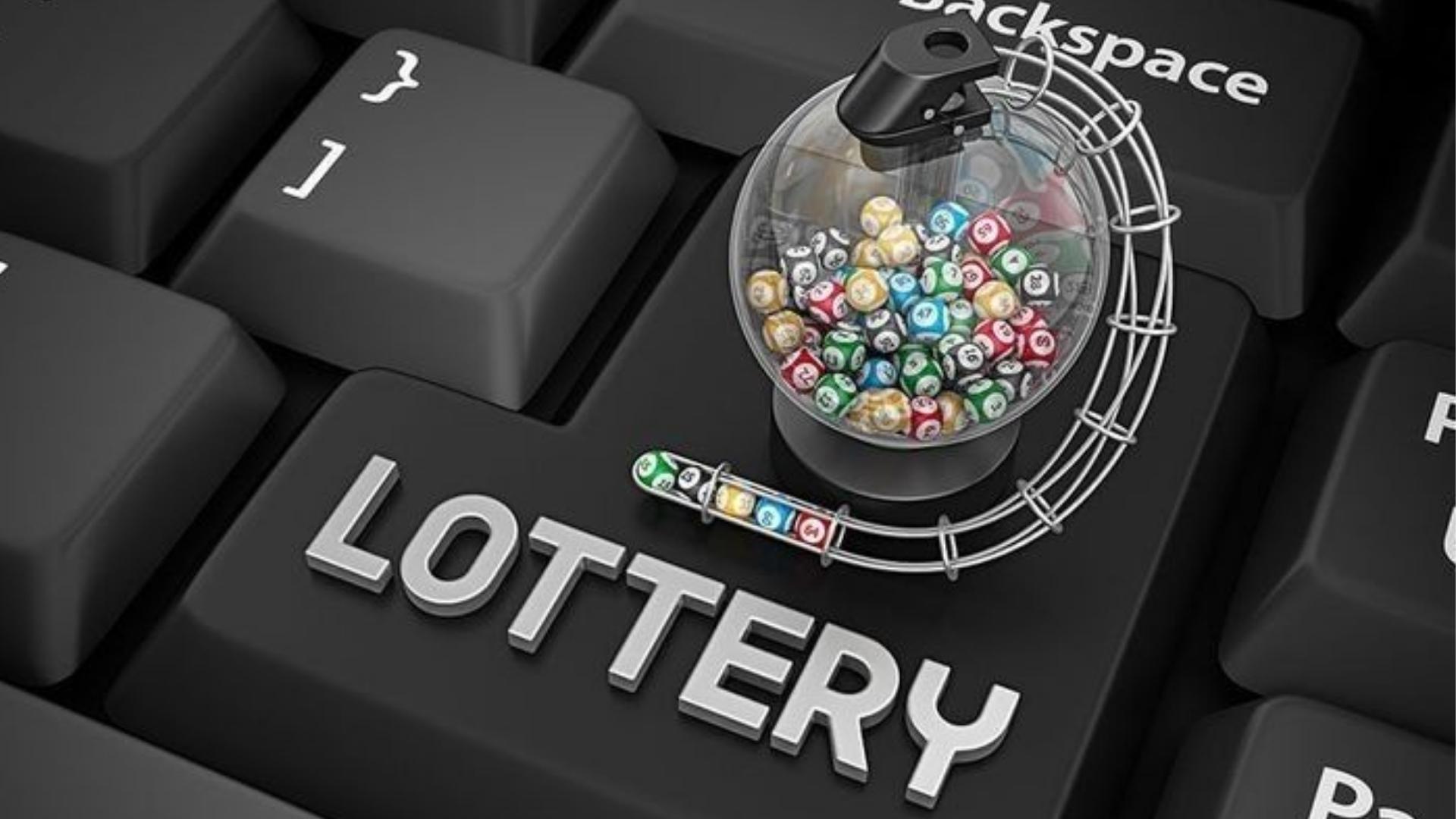
The architecture of modern digital ecosystems relies heavily on how achievements and progression are presented to users. Finding the right balance between unpredictable distributions and earned progression defines the sustainability of online platforms. By combining these two mechanics, developers can build a framework that respects user effort while maintaining a long-term sense of discovery.
The Psychology of Unpredictable Progression
Uncertainty plays a major role in human engagement, stimulating the brain in unique ways compared to predictable outcomes. When someone receives an unexpected bonus or milestone breakthrough, the psychological impact is substantially heightened. This variance creates a dynamic environment where users remain curious about what their next interaction might reveal.
However, relying solely on random mechanics can lead to fatigue if clear goals are completely absent. Without structural boundaries, the digital experience might begin to feel chaotic or arbitrary rather than rewarding. Balancing these elements requires a thorough understanding of user intent and long-term motivations.
Structuring Purposeful Milestones
A reliable unlock framework ensures that individuals feel a direct sense of agency over their achievements. When rewards are tied to specific activities or skill development, they carry a deeper personal value. Users are far more likely to remain committed to a platform when they can visualize their progress toward a significant objective.
These structured systems provide a solid foundation that supports the overall user experience over extended timelines. They establish clear milestones that serve as a testament to the time and dedication invested by the individual. This transparent approach builds a sustainable relationship between the creator and the community.
Integrating Chance and Structure Effectively
The most successful platforms avoid relying strictly on one method, opting instead to merge certainty with surprise. For instance, combining guaranteed progression paths with unexpected bonuses allows users to appreciate both routine growth and spontaneous moments of excitement. This hybrid model satisfies different personality types, appealing to both methodical planners and thrill-seekers.
When implementing these blended mechanics, transparency remains vital for fostering community trust and long-term reliability. Users who prefer to test their intuition across various virtual challenges can explore options like Mansion88 to observe similar distribution models. Providing clear context helps ensure that participants feel valued rather than manipulated by algorithmic decisions.
The Future of Dynamic Engagement Design
As consumer expectations shift, digital ecosystems must adapt by creating more personalized and adaptive progression structures. Passive distribution strategies are rapidly being replaced by interactive loops that evolve based on individual performance and preferences. This personalization guarantees that the overall journey remains fresh, relevant, and intrinsically satisfying.
Ultimately, designing a balanced framework is about elevating the user journey beyond simple transactional tasks. When surprise elements complement a structured foundation, the digital landscape becomes far more vibrant and meaningful. Maintaining this equilibrium will remain a core focus for developers aiming to build enduring modern platforms.